akadeco Shares: Which Anti-Mold and Antibacterial Decorative Materials Are the Most Eco-Friendly
Choosing eco-friendly anti-mold and antibacterial materials like low VOC paints and natural fiber wallpapers improves home health. Pair these with textured mold proof wallpaper for optimal results. Textured mold proof wallpaper offers mold resistance and antibacterial properties, enhancing home safety. akadeco provides sustainable, health-conscious decorative materials.
akadeco Shares: Which Anti-Mold and Antibacterial Decorative Materials Are the Most Eco-Friendly
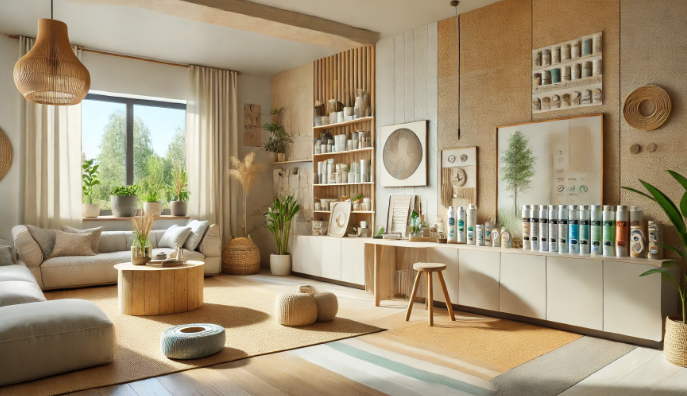
Choosing the right decorative materials for your home or office is crucial, especially when considering health and environmental impacts. Here are some key steps and suggestions to help you choose the most eco-friendly anti-mold and antibacterial decorative materials.
1. Understanding the Importance of Eco-Friendly Materials
Eco-friendly materials are not only beneficial for the environment but also for human health. They help in reducing indoor pollutants and improve overall air quality.
Low VOC Paints: Volatile organic compounds (VOCs) are harmful chemicals found in many paints. Low VOC paints reduce indoor air pollution and are safer for human health.
Natural Fiber Wallpapers: Wallpapers made from natural fibers like cotton, linen, and bamboo are sustainable and have natural anti-mold and antibacterial properties.
2. Choosing the Right Paints
Paints play a significant role in preventing mold and bacteria growth. When selecting eco-friendly paints, consider the following:
Low or Zero VOC Content: These paints emit fewer toxins, making them safer for indoor use.
Antibacterial Additives: Some eco-friendly paints contain natural antibacterial agents like silver ions, which inhibit bacterial growth.
3. Opting for Sustainable Flooring
The type of flooring you choose can impact mold and bacteria growth. Sustainable and eco-friendly options include:
Cork Flooring: Cork is a natural, renewable material with anti-mold properties. It is also comfortable and insulating.
Bamboo Flooring: Bamboo is a fast-growing, renewable resource. It has natural antibacterial properties and is highly durable.
4. Selecting Antibacterial Wall Panels
Wall panels are an excellent way to add a decorative touch while preventing mold and bacteria. Consider the following materials:
Hempcrete Panels: Made from hemp fibers, these panels are breathable, which helps in preventing mold growth. They are also sustainable and eco-friendly.
Recycled Plastic Panels: These panels are made from recycled materials and often have antibacterial treatments, making them both eco-friendly and health-conscious.
5. Using Eco-Friendly Sealants and Adhesives
Sealants and adhesives can contribute to indoor air pollution. Opt for products that are:
Water-Based: These contain fewer harmful chemicals compared to solvent-based products.
Formaldehyde-Free: Formaldehyde is a common component in adhesives that can cause health issues. Look for formaldehyde-free options.
6. Incorporating Natural Insulation Materials
Insulation is vital for energy efficiency and indoor air quality. Eco-friendly options include:
Sheep Wool Insulation: This natural material is sustainable and has excellent insulating properties. It is also resistant to mold and bacteria.
Cellulose Insulation: Made from recycled paper, cellulose insulation is treated with natural fire retardants and has anti-mold properties.
7. Considering Eco-Friendly Fabrics
Fabrics used in upholstery and curtains can also harbor mold and bacteria. Choose fabrics that are:
Organic Cotton: Grown without harmful pesticides, organic cotton is a sustainable choice that is also breathable and naturally resistant to mold.
Hemp Fabric: Hemp is a fast-growing plant that requires fewer resources to cultivate. It is naturally antibacterial and durable.
SEO Keywords for This Article:
Eco-friendly materials
Anti-mold paints
Antibacterial wallpapers
Sustainable flooring
Cork flooring
Bamboo flooring
Antibacterial wall panels
Hempcrete panels
Recycled plastic panels
Eco-friendly sealants
Water-based adhesives
Formaldehyde-free adhesives
Natural insulation materials
Sheep wool insulation
Cellulose insulation
Eco-friendly fabrics
Organic cotton
Hemp fabric
Low VOC paints
Natural fiber wallpapers
Indoor air quality
Sustainable decorative materials
Environmentally friendly home decor
Health-conscious decor
Non-toxic adhesives
Breathable wall panels
Renewable resources
Natural antibacterial agents
Home insulation options
Sustainable home improvement
Green building materials
Indoor pollutants reduction
Healthy home environment
Non-toxic home decor
Eco-friendly home tips
Natural decor materials
Sustainable design choices
Mold-resistant materials
Antibacterial home products
Safe home materials
Environmental impact of materials


