


Advantages of Contact Paper
1. Simple Application: Contact paper is incredibly easy to apply. With its peel-and-stick design, you can effortlessly adhere it to various surfaces without the need for glue or professional help.
2. Affordable Transformation: Compared to traditional wallpaper or paint, contact paper is a cost-effective solution. It allows you to achieve a stylish makeover without a hefty price tag, making it accessible to everyone.
3. Temporary and Reversible: One of the standout features of contact paper is its removability. Perfect for renters or those who frequently change their decor, contact paper can be removed without damaging the underlying surface.
4. Variety of Styles: Contact paper comes in a vast array of colors, patterns, and textures. Whether you prefer a minimalist look or something more vibrant and bold, there’s a contact paper to suit your aesthetic.
Creative Uses for Contact Paper
1. Furniture Revamp: Give your old furniture a new look by covering it with contact paper. Transform dressers, tables, and bookshelves with patterns like marble, wood grain, or metallic finishes.
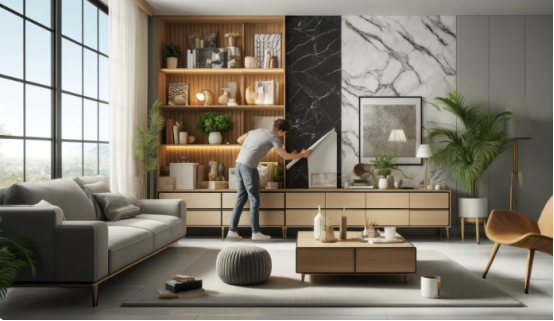
2. Accent Walls: Create a focal point in any room with an accent wall. Choose a striking design or color to draw attention and add character to your space.
3. Kitchen and Bathroom Updates: Use contact paper to refresh countertops, backsplashes, and even appliances. It’s a quick and easy way to modernize these areas without a major renovation.
4. Craft Projects: Contact paper isn’t just for large surfaces. Use it for smaller craft projects like lining shelves and drawers, covering notebooks, or creating custom labels and decals.
Tips for Using Contact Paper
1. Prepare the Surface: Ensure the surface is clean, dry, and smooth before applying contact paper. Dust, grease, or imperfections can affect the adhesion and final look.
2. Measure and Cut Accurately: Measure the area carefully and cut the contact paper slightly larger than needed. This allows for easier application and trimming of excess material.
3. Apply Slowly and Smoothly: Start at one corner and gradually peel back the backing while smoothing the contact paper onto the surface. Use a squeegee or a flat edge to eliminate air bubbles for a smooth finish.
4. Pattern Matching: If using patterned contact paper, align the patterns at the seams carefully. This attention to detail will ensure a cohesive and professional appearance.
Conclusion
Contact paper is a versatile and practical tool for home decoration. Its ease of use, affordability, and wide range of styles make it an ideal choice for both temporary and permanent decor solutions. Whether you’re updating furniture, creating an accent wall, or tackling a craft project, contact paper offers endless possibilities for creativity and personalization. Embrace the convenience and style of contact paper to effortlessly transform your space and express your unique taste.
In the realm of home decor, contact paper has emerged as a game-changer. This self-adhesive, versatile material offers an affordable and straightforward way to update your living spaces. In this article, we’ll delve into the advantages of contact paper, explore its diverse applications, and provide tips for successful use.
Advantages of Contact Paper
1. Simple Application: Contact paper is incredibly easy to apply. With its peel-and-stick design, you can effortlessly adhere it to various surfaces without the need for glue or professional help.
2. Affordable Transformation: Compared to traditional wallpaper or paint, contact paper is a cost-effective solution. It allows you to achieve a stylish makeover without a hefty price tag, making it accessible to everyone.
3. Temporary and Reversible: One of the standout features of contact paper is its removability. Perfect for renters or those who frequently change their decor, contact paper can be removed without damaging the underlying surface.
4. Variety of Styles: Contact paper comes in a vast array of colors, patterns, and textures. Whether you prefer a minimalist look or something more vibrant and bold, there’s a contact paper to suit your aesthetic.
Creative Uses for Contact Paper
1. Furniture Revamp: Give your old furniture a new look by covering it with contact paper. Transform dressers, tables, and bookshelves with patterns like marble, wood grain, or metallic finishes.
2. Accent Walls: Create a focal point in any room with an accent wall. Choose a striking design or color to draw attention and add character to your space.
3. Kitchen and Bathroom Updates: Use contact paper to refresh countertops, backsplashes, and even appliances. It’s a quick and easy way to modernize these areas without a major renovation.
4. Craft Projects: Contact paper isn’t just for large surfaces. Use it for smaller craft projects like lining shelves and drawers, covering notebooks, or creating custom labels and decals.
Tips for Using Contact Paper
1. Prepare the Surface: Ensure the surface is clean, dry, and smooth before applying contact paper. Dust, grease, or imperfections can affect the adhesion and final look.
2. Measure and Cut Accurately: Measure the area carefully and cut the contact paper slightly larger than needed. This allows for easier application and trimming of excess material.
3. Apply Slowly and Smoothly: Start at one corner and gradually peel back the backing while smoothing the contact paper onto the surface. Use a squeegee or a flat edge to eliminate air bubbles for a smooth finish.
4. Pattern Matching: If using patterned contact paper, align the patterns at the seams carefully. This attention to detail will ensure a cohesive and professional appearance.
Conclusion
Contact paper is a versatile and practical tool for home decoration. Its ease of use, affordability, and wide range of styles make it an ideal choice for both temporary and permanent decor solutions. Whether you’re updating furniture, creating an accent wall, or tackling a craft project, contact paper offers endless possibilities for creativity and personalization. Embrace the convenience and style of contact paper to effortlessly transform your space and express your unique taste.
Tel: 0086-13617480138
Address: Room 301-06, Haotian Building, No.418, Bayi Road, Furong District, Changsha, Hunan, China.


