Antimicrobial Agents in Self-Adhesive Wallpapers: How They Work
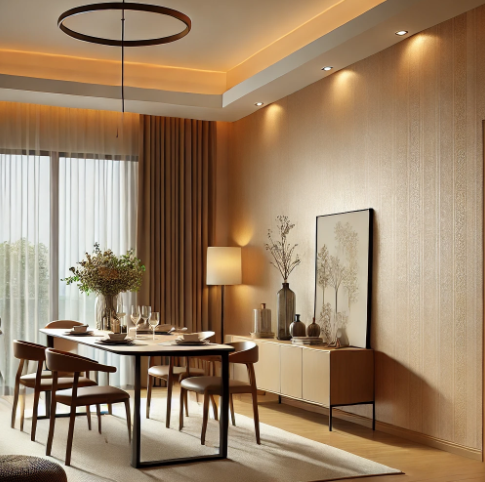
Antimicrobial agents in self-adhesive wallpapers are key to their effectiveness in resisting mold and bacteria. This article explores the mechanisms by which these agents work to maintain a hygienic environment.
1. Cellular Disruption
Antimicrobial agents work by disrupting the cellular processes of mold and bacteria. They interfere with cell wall synthesis, protein production, and DNA replication, effectively inhibiting the growth and reproduction of these microorganisms.
2. Chemical Composition
These agents are typically composed of silver ions, zinc, or other biocidal substances that are effective against a wide range of microorganisms. The chemical properties of these substances ensure that they remain active on the wallpaper surface for extended periods.
3. Long-Lasting Protection
The antimicrobial agents are integrated into the wallpaper material during manufacturing, providing long-lasting protection. Unlike surface treatments that can wear off, these embedded agents ensure continuous resistance to mold and bacteria.
4. Safety Considerations
While effective against microorganisms, the antimicrobial agents used in wallpapers are safe for human contact. They are designed to be non-toxic and non-irritating, making them suitable for all areas of the home, including children’s rooms and healthcare settings.
5. Environmental Impact
Many antimicrobial agents are designed to be environmentally friendly, breaking down without releasing harmful substances. This consideration ensures that the wallpaper not only protects against mold and bacteria but also contributes to a sustainable living environment.
6. Enhanced Hygiene
In addition to preventing mold and bacteria growth, antimicrobial agents help reduce odors and stains associated with microbial activity. This feature enhances the overall hygiene and aesthetic appeal of the wallpaper.
7. Versatility
Antimicrobial agents can be incorporated into various types of self-adhesive wallpapers, including vinyl, fabric, and hybrid materials. This versatility ensures that homeowners can choose from a wide range of designs without compromising on health benefits.


