Self-adhesive wallpaper, also known as peel-and-stick wallpaper, is a popular choice for home decorators due to its ease of application and variety of designs. Whether you're a seasoned DIY enthusiast or a novice, this guide will help you apply self-adhesive wallpaper flawlessly.
1. Gather Your Tools
Before you begin, gather all the necessary tools. You’ll need:
- A tape measure
- A pencil
- A level
- A utility knife
- A smoothing tool or squeegee
- A step ladder
- Cleaning supplies
Having these tools on hand will make the application process smoother and more efficient.
2. Prepare the Wall
Proper preparation is key to ensuring your wallpaper adheres well and looks great. Clean the wall with a damp cloth to remove any dust, dirt, or grease. Ensure the surface is dry, smooth, and free of any bumps or holes. Fill any imperfections with spackle and sand them down if necessary.
3. Measure and Cut
Measure the height and width of your wall to determine how much wallpaper you’ll need. Add a few extra inches to your measurements to account for trimming. Unroll the wallpaper and cut it into manageable strips, making sure to match any patterns if necessary.
4. Plan Your Layout
Start by marking a straight vertical line on the wall using a level and pencil. This line will serve as your guide to ensure the wallpaper is applied straight. Begin in the middle of the wall or in a corner, depending on the design and your preference.
5. Apply the Wallpaper
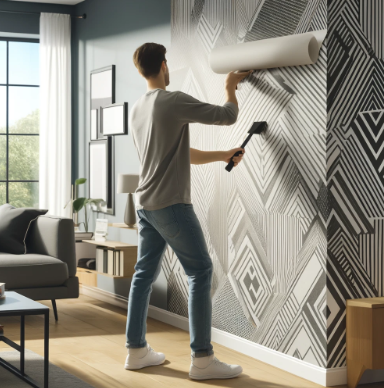
Peel off a few inches of the backing from the top of the first strip of wallpaper. Align the top of the wallpaper with the ceiling or the top of the wall, using your vertical line as a guide. Press the wallpaper onto the wall, smoothing it down with your hands as you go. Use a smoothing tool to remove any air bubbles and ensure a flat, even application.
6. Trim the Excess
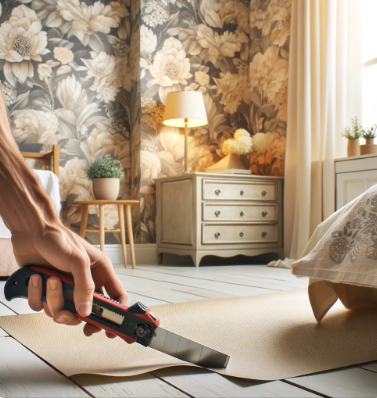
Once the wallpaper is applied, use a utility knife to trim any excess at the top, bottom, and edges. Be sure to cut carefully for a clean, professional finish. Repeat the process with additional strips, making sure to match any patterns for a seamless look.
7. Smooth and Secure
After all the wallpaper strips are applied, go over the seams with a smoothing tool to ensure they are secure and flat. Check for any remaining air bubbles and smooth them out. If needed, gently lift and reposition the wallpaper to fix any alignment issues.
8. Add Finishing Touches
Once your wallpaper is in place, step back and admire your work. You can add finishing touches like artwork, shelves, or lighting to enhance the new look of your space. The wallpaper should adhere well and stay in place for years to come.
Conclusion
Applying self-adhesive wallpaper is a straightforward and rewarding project that can transform your home. By following these steps and taking your time, you can achieve a professional-looking result that adds style and personality to any room. Whether you’re creating a feature wall or updating an entire room, self-adhesive wallpaper offers a versatile and stylish solution for home decor.


