Discover how textured mold proof wallpaper with vinyl material prevents mold growth. Learn about the benefits of textured mold proof wallpaper, including waterproof properties, ease of maintenance, antimicrobial additives, and non-porous surfaces for a healthier home with textured mold proof wallpaper.
Why Vinyl Material in Self-Adhesive Wallpaper Prevents Mold Growth
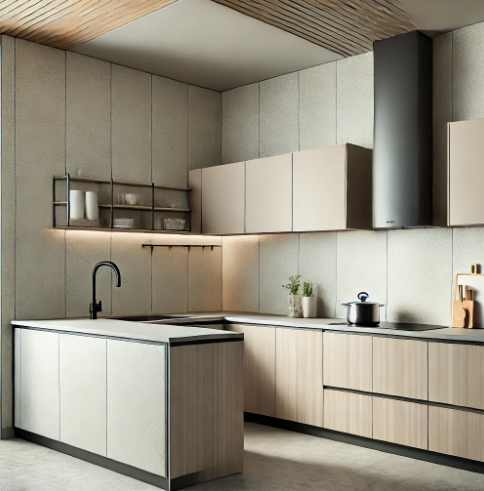
Vinyl material, commonly used in self-adhesive wallpapers, plays a significant role in preventing mold growth. This article delves into the properties of vinyl that contribute to its effectiveness in creating a mold-free environment.
1. Waterproof Properties
Vinyl is inherently waterproof, making it an excellent choice for areas prone to moisture, such as bathrooms and kitchens. Its waterproof nature prevents water from seeping through to the walls, where mold can develop.
2. Inhibiting Mold Spore Growth
The surface of vinyl wallpaper is not conducive to mold spore growth. Mold spores require organic materials to thrive, and vinyl, being synthetic, does not provide a food source for these spores. This lack of nourishment keeps mold at bay.
3. Ease of Maintenance
Vinyl wallpaper is easy to wipe down and clean, ensuring that any potential mold spores are promptly removed before they can settle and grow. Regular cleaning with mild detergents can maintain the wallpaper's pristine condition and prevent mold formation.
4. Durability in Humid Conditions
Vinyl’s durability makes it resistant to peeling or bubbling, even in high-humidity environments. This resistance ensures that the protective layer remains intact, preventing moisture from reaching the wall beneath and creating a mold-friendly environment.
5. Antimicrobial Additives
Many vinyl wallpapers come with built-in antimicrobial additives. These additives further enhance the wallpaper's ability to resist mold and bacteria by actively inhibiting their growth on the surface.
6. Non-Porous Surface
The non-porous nature of vinyl prevents moisture absorption, a critical factor in mold prevention. This feature ensures that even in damp conditions, the wallpaper remains dry and does not support mold growth.
7. Environmental Considerations
Vinyl wallpaper is often designed to emit low levels of VOCs, contributing to better indoor air quality. This eco-friendly aspect reduces the overall risk of mold by maintaining a healthier environment.


