Learn how textured mold proof wallpaper enhances indoor air quality by preventing mold and bacteria growth. Discover the benefits of textured mold proof wallpaper, including low VOC emissions, antimicrobial properties, moisture resistance, and easy cleaning with textured mold proof wallpaper.
How Self-Adhesive Wallpaper Enhances Indoor Air Quality
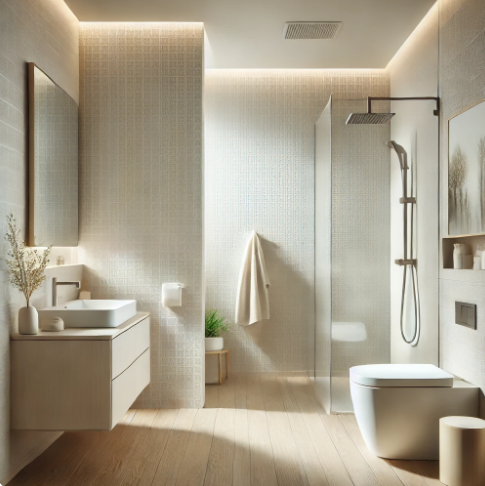
Self-adhesive wallpaper can significantly enhance indoor air quality by preventing mold and bacteria growth. This article discusses the ways in which these wallpapers contribute to a healthier living environment.
1. Low VOC Emissions
Many self-adhesive wallpapers are manufactured with low VOC (volatile organic compounds) emissions. Low VOC levels reduce indoor air pollution, leading to better respiratory health for occupants.
2. Antimicrobial Properties
The antimicrobial treatments applied to self-adhesive wallpapers inhibit the growth of mold and bacteria. This helps maintain a cleaner environment, reducing allergens and pollutants in the air.
3. Moisture Resistance
The moisture-resistant properties of self-adhesive wallpaper prevent mold growth, which is a common source of indoor air quality issues. Keeping walls dry ensures that the air remains free from mold spores.
4. Ease of Cleaning
Self-adhesive wallpapers are easy to clean, allowing for regular maintenance that removes dust and allergens. A clean surface reduces the presence of airborne particles that can affect air quality.
5. Durable Surface
The durable surface of self-adhesive wallpaper resists wear and tear, preventing the release of particles that can degrade air quality. Its longevity ensures a consistently clean and healthy environment.
6. Environmental Safety
Eco-friendly self-adhesive wallpapers made from sustainable materials contribute to a healthier indoor environment. These products are free from harmful chemicals and promote overall well-being.
7. Improved Ventilation
Using self-adhesive wallpaper in conjunction with proper ventilation practices helps maintain optimal air quality. Ensuring that rooms are well-ventilated complements the wallpaper’s mold-resistant properties.


